castle serenity pellet stove manual
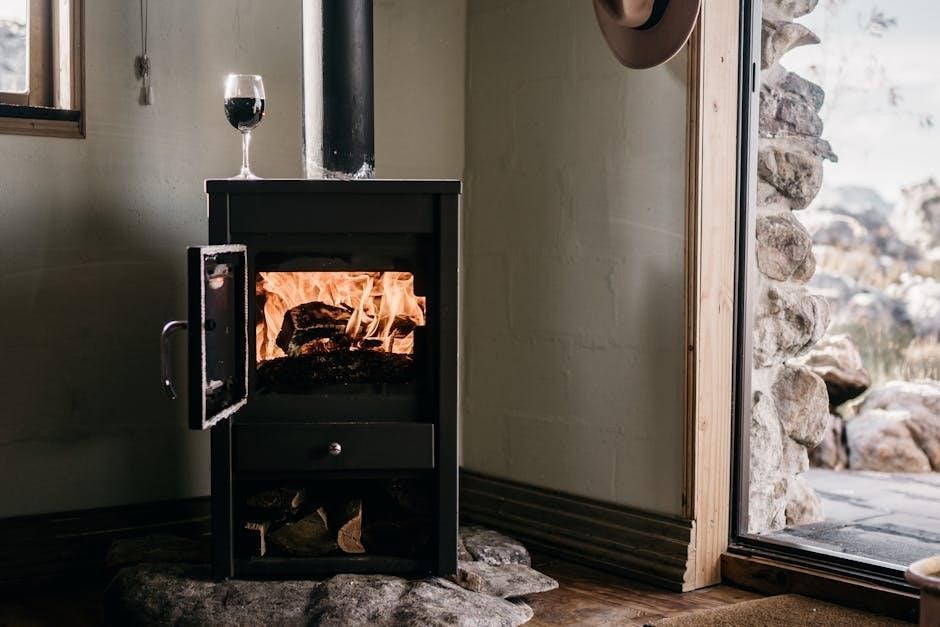
Castle Serenity Pellet Stove Manual: A Comprehensive Guide
This manual details the Castle Serenity pellet stove‚ offering a complete resource for features‚ functionality‚ and ensuring a successful‚ satisfying heating experience.
Welcome to the world of efficient and eco-friendly heating with your new Castle Serenity pellet stove! This stove represents a significant advancement in home comfort technology‚ combining ease of use with powerful heating capabilities. Designed for both convenience and performance‚ the Serenity offers a reliable and cost-effective alternative to traditional heating methods.
This introduction will familiarize you with the core features and benefits of your Castle Serenity. We’ll briefly touch upon its advanced combustion system‚ user-friendly controls‚ and commitment to environmental responsibility. Before operating‚ carefully review this manual to understand all aspects of your stove‚ ensuring safe and optimal performance for years to come. Prepare to enjoy consistent warmth and substantial savings!
Understanding Pellet Stove Technology
Pellet stoves represent a leap forward in renewable heating solutions. Unlike traditional wood stoves‚ they utilize compressed wood or biomass pellets‚ offering a cleaner and more efficient burn. The Castle Serenity leverages this technology with an automated feeding system‚ delivering a consistent fuel supply to the firebox.
This automated process‚ combined with precise air control‚ maximizes heat output and minimizes emissions. Key components include the hopper (pellet storage)‚ auger (fuel delivery)‚ and a sophisticated control system. Understanding these elements is crucial for optimal operation. Pellet stoves are known for their convenience‚ reduced environmental impact‚ and consistent heating performance‚ making them a smart choice for modern homeowners.
Safety First: Important Precautions
Prioritize safety! This section outlines critical precautions for operating your Castle Serenity‚ covering carbon monoxide‚ ventilation‚ and electrical considerations for safe use.
Carbon Monoxide Warnings
Carbon monoxide (CO) is a colorless‚ odorless‚ and poisonous gas. Your Castle Serenity pellet stove‚ while designed for safe operation‚ can produce CO under certain conditions‚ such as improper venting or incomplete combustion. Install CO detectors on every level of your home‚ especially near sleeping areas‚ and test them regularly.
Symptoms of CO poisoning include headache‚ dizziness‚ weakness‚ nausea‚ vomiting‚ chest pain‚ and confusion. If a CO detector alarms‚ immediately evacuate the premises and call emergency services. Never ignore a CO alarm! Ensure proper installation and regular inspection of the venting system to prevent CO buildup. A malfunctioning or improperly installed stove significantly increases the risk of CO production.
Regular maintenance‚ as outlined in this manual‚ is crucial for minimizing CO risk.
Proper Ventilation Requirements
Adequate ventilation is paramount for the safe and efficient operation of your Castle Serenity pellet stove. This ensures sufficient combustion air and prevents the buildup of harmful gases. The stove requires a dedicated air supply‚ particularly in tightly sealed homes. Do not obstruct or seal off air inlets or outlets.
Follow local building codes regarding ventilation requirements for solid fuel burning appliances. A minimum room volume of 1‚800 cubic feet is generally recommended for optimal performance. Ensure the venting system is properly installed and maintained‚ free from obstructions‚ and meets all manufacturer specifications. Improper venting can lead to smoke backdrafting and dangerous carbon monoxide accumulation.
Regularly inspect the vent pipe for damage or blockages.
Electrical Safety Guidelines
Prioritize electrical safety when installing and operating your Castle Serenity pellet stove. Always disconnect power to the stove before performing any maintenance or repairs. The stove requires a dedicated 120V‚ 15-amp circuit. Do not use extension cords or multi-outlet adapters. A properly grounded outlet is essential to prevent electrical shock.
Ensure the electrical connection is made by a qualified electrician‚ adhering to all local and national electrical codes. Inspect the power cord regularly for damage and replace it immediately if frayed or worn. Never operate the stove with a damaged power cord. Avoid exposing electrical components to moisture or water.
Follow all warnings and instructions outlined in this manual regarding electrical connections.

Installation Procedures
Proper installation is crucial for safe and efficient operation of your Castle Serenity. Carefully follow these steps‚ ensuring adherence to local regulations and codes.
Choosing the Right Location
Selecting an appropriate location for your Castle Serenity pellet stove is paramount for both safety and optimal performance. The stove must be installed on a non-combustible floor‚ protected by a hearth extending at least 18 inches in front and 8 inches to the sides. Ensure ample clearance from walls and furniture‚ adhering strictly to the manufacturer’s specifications – typically a minimum of 6 inches on each side and rear.
Avoid areas with high foot traffic or where flammable materials are stored. Consider proximity to a suitable venting system and electrical outlet. The location should also allow for easy access for cleaning and maintenance. Proper placement maximizes heat distribution and minimizes potential hazards‚ contributing to a warm and secure home environment.
Vent Pipe Installation
Correct vent pipe installation is critical for safe and efficient operation of your Castle Serenity pellet stove. Always use the specified venting components – typically 6-inch diameter‚ double-wall stainless steel – as outlined in the manual. Ensure all connections are secure and sealed with high-temperature sealant to prevent exhaust leaks.
Maintain proper pipe slope upwards away from the stove to facilitate draft. Adhere to minimum and maximum vent lengths specified by Castle Serenity‚ avoiding sharp bends or obstructions. Inspect the vent pipe regularly for corrosion or damage. Incorrect installation can lead to carbon monoxide buildup‚ posing a serious health risk. Professional installation is strongly recommended to guarantee compliance and safety.
Electrical Connection
Proper electrical connection is paramount for the safe and reliable operation of your Castle Serenity pellet stove. This appliance requires a dedicated 120V‚ 15-amp circuit. Never use an extension cord or multi-outlet adapter. A grounded outlet‚ meeting local electrical codes‚ is essential.
Before connecting‚ ensure the stove is unplugged. The electrical connection powers the control board‚ auger motor‚ and other vital components. Improper grounding can create a shock hazard. If you are uncomfortable with electrical work‚ consult a qualified electrician. Verify the voltage matches the stove’s requirements before powering on. Incorrect wiring can damage the stove and void the warranty.

Operating Your Castle Serenity
Successfully operate your stove by understanding the control panel‚ initial startup procedures‚ and how to adjust heat output for optimal comfort and efficiency.
Initial Startup and Burn-In
Prior to your first full heating season‚ a crucial initial burn-in period is required for the Castle Serenity pellet stove. This process stabilizes internal components and ensures optimal performance.
Begin by filling the hopper with high-quality pellet fuel‚ ensuring it’s dry and meets the stove’s specifications. Initiate the startup sequence following the control panel instructions – typically involving a fan-only mode followed by ignition.
During the first few burns‚ expect some smoke and a slight odor as manufacturing residues burn off. Operate the stove at a medium heat setting for approximately 24-48 hours‚ gradually increasing the output. Avoid prolonged operation at maximum settings during this phase. Regularly monitor the exhaust for any unusual colors or excessive smoke. This burn-in period is vital for longevity and efficiency.
Understanding the Control Panel
The Castle Serenity’s control panel is the central hub for operating your pellet stove‚ offering intuitive access to various settings and functions.
Typically‚ the panel features a digital display showcasing current operating mode‚ temperature‚ and fan speed. Key buttons include ‘Power’‚ ‘Auger Control’ (for fuel feed)‚ ‘Fan Speed Adjustment’‚ and ‘Temperature Setting’. A ‘Mode’ button cycles through options like ‘Auto’‚ ‘Manual’‚ and ‘Standby’.
Explore the menu system to access programmable features like thermostat schedules and advanced settings. Familiarize yourself with indicator lights signaling operational status – such as ‘Ignition’‚ ‘Low Hopper’‚ and ‘Error Codes’. Refer to the detailed diagram within this manual for precise button locations and function explanations.
Adjusting Heat Output and Fan Speed
Fine-tuning heat output and fan speed is crucial for optimal comfort and efficiency with your Castle Serenity pellet stove.
Heat output is primarily controlled via the temperature setting on the control panel. Increasing the target temperature boosts fuel feed and combustion intensity‚ delivering more heat. Conversely‚ lowering the temperature reduces these parameters. Fan speed regulates heat distribution; higher speeds circulate warm air faster‚ while lower speeds provide gentler‚ quieter heating.
Experiment with different combinations to find your ideal balance. Remember that higher fan speeds consume more electricity. Monitor room temperature and adjust settings accordingly. The ‘Auto’ mode intelligently manages both heat output and fan speed based on the set thermostat temperature.

Maintenance and Troubleshooting
Regular upkeep ensures peak performance and longevity of your Castle Serenity. This section guides you through cleaning‚ ash removal‚ and resolving common issues.
Regular Cleaning Procedures
Maintaining a clean Castle Serenity pellet stove is crucial for efficient operation and safety. Daily‚ inspect the firebox‚ removing any accumulated ash – avoid letting it build up excessively. Weekly‚ thoroughly clean the glass door with a specialized pellet stove glass cleaner to maintain visibility and ensure optimal heat radiation.
Monthly‚ vacuum the internal components‚ including the burn pot‚ heat exchanger‚ and blower fan‚ to remove dust and debris. Pay close attention to the venting system‚ inspecting for obstructions or buildup. Annually‚ a professional inspection and cleaning are highly recommended to ensure all components are functioning correctly and to identify any potential issues before they escalate. Remember to always disconnect power before performing any internal cleaning.
Ash Removal and Disposal
Regular ash removal is vital for your Castle Serenity’s performance. Allow ash to cool completely – potentially days – before handling to prevent fire hazards. Use a metal bucket with a tight-fitting lid for ash disposal; never use plastic or combustible containers. Carefully scoop or vacuum ash from the firebox‚ avoiding creating dust.
Dispose of cooled ash responsibly‚ ideally by placing it in a non-combustible container outdoors‚ away from structures and flammable materials. Some municipalities allow ash disposal with regular trash‚ but verify local regulations. Never store ash indoors or near combustible materials. Properly disposed ash can even be used as garden fertilizer‚ enriching soil with potassium and other nutrients.
Common Error Codes and Solutions
Your Castle Serenity utilizes error codes to diagnose issues. “E1” often indicates a low hopper level – refill the hopper promptly. “E2” suggests an auger jam; power cycle the stove and check for obstructions. “E3” signals a draft issue – ensure the vent pipe is clear and unobstructed. “E4” typically means a high temperature limit has been reached; allow the stove to cool and investigate airflow.
“E5” can indicate a failed igniter‚ requiring professional service. Always consult the full error code list in the manual for precise definitions. If an error persists after attempting solutions‚ contact a qualified technician. Do not attempt repairs beyond your expertise.
Advanced Features & Settings
Unlock optimal performance with programmable thermostats‚ precise auger control‚ and a sophisticated auto-ignition system for customized heating and efficient operation.
Programmable Thermostat Functionality
The Castle Serenity boasts a highly intuitive programmable thermostat‚ allowing for customized heating schedules tailored to your lifestyle. Users can set different temperatures for various times of the day‚ optimizing both comfort and fuel efficiency. This feature eliminates the need for manual adjustments‚ ensuring a consistently warm environment while minimizing energy consumption.
Programming is straightforward‚ utilizing a user-friendly interface on the control panel. You can create daily or weekly schedules‚ specifying desired temperatures for wake-up times‚ daytime hours‚ evenings‚ and sleep. The thermostat remembers these settings‚ automatically adjusting the stove’s output to maintain your preferred climate. Explore advanced settings for precise control and maximize the benefits of this convenient feature‚ reducing heating costs and enhancing overall convenience.
Auger and Draft Control Adjustments
Fine-tuning your Castle Serenity’s performance involves understanding auger and draft control adjustments. The auger feed rate dictates how quickly pellets are delivered to the burn pot‚ impacting heat output. Adjusting this rate allows you to precisely control the flame size and intensity. Similarly‚ draft control regulates airflow‚ influencing combustion efficiency and burn time.
Carefully observe the flame pattern; a lively‚ blue flame indicates optimal combustion. If the flame is sluggish or smoky‚ slightly increase the draft. Conversely‚ if the stove is running too hot‚ reduce the draft. Minor adjustments to both auger speed and draft are often necessary to achieve peak performance based on pellet quality and environmental conditions. Consult the troubleshooting section for guidance if issues persist.
Understanding the Auto-Ignition System

The Castle Serenity features an advanced auto-ignition system for convenient and reliable startup. This system utilizes a glow plug within the burn pot‚ rapidly heating the pellets to ignition temperature. During startup‚ the auger delivers a small amount of pellets onto the glow plug. Once ignition is confirmed – typically within a few minutes – the system automatically transitions to normal operation.
Proper function relies on consistent pellet quality and adequate electrical supply. If the auto-ignition fails‚ ensure the glow plug isn’t damaged and the pellets are dry. Repeated failures may indicate a problem with the control board or wiring; consult a qualified technician. Regularly check the glow plug for signs of wear or breakage.

Parts List and Diagrams
Detailed illustrations and comprehensive parts lists are provided to assist with maintenance‚ repair‚ and understanding the internal components of your stove.
Identifying Key Components
Familiarizing yourself with the Castle Serenity’s core components is crucial for safe operation and effective maintenance. The hopper‚ responsible for pellet storage‚ is a primary element‚ alongside the auger‚ which delivers fuel to the burn pot. Understanding the burn pot itself – where combustion occurs – is vital.
The blower fan regulates airflow‚ impacting heat distribution and efficiency. The exhaust vent system safely removes combustion byproducts. The control board manages all stove functions‚ while sensors monitor temperature and performance. Don’t overlook the igniter‚ initiating the combustion process‚ and the heat exchanger‚ transferring warmth to the room.
Refer to the exploded view diagrams for precise locations and detailed visuals of each component. Knowing these parts aids in troubleshooting and ensures proper upkeep of your pellet stove.
Exploded View Diagrams
Detailed exploded view diagrams are essential for understanding the assembly and disassembly of your Castle Serenity pellet stove. These visual guides illustrate each component’s precise location and how they interrelate‚ simplifying maintenance and repair procedures.
Carefully study the diagrams before attempting any servicing or part replacement. They clearly depict the order of assembly‚ fastener types‚ and critical connections. Pay close attention to gasket placement and orientation to ensure airtight seals.
These diagrams are invaluable for identifying parts when ordering replacements. Referencing the part numbers listed alongside each component guarantees compatibility. Always consult a qualified technician if you are unsure about any aspect of the diagrams or the repair process.

Warranty Information
Your Castle Serenity pellet stove is protected by a comprehensive warranty‚ safeguarding against manufacturing defects in materials and workmanship. This warranty coverage begins on the date of purchase‚ as evidenced by your original sales receipt. Please retain this proof of purchase for all warranty claims.
The specific warranty duration varies depending on the component. Key components‚ such as the firebox and blower motor‚ typically have a longer warranty period than consumable parts. Refer to the detailed warranty schedule included with your stove for precise terms.
Warranty coverage is voided by misuse‚ improper installation‚ or unauthorized modifications. Contact an authorized Castle Serenity dealer for warranty service.