trader joe’s almond croissant instructions
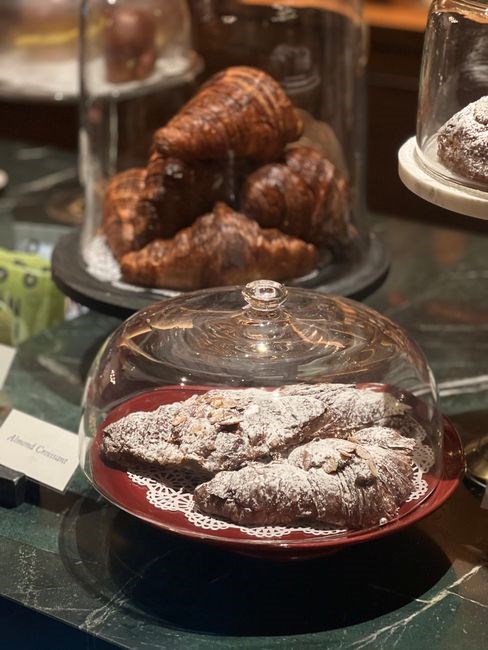
Overview of Trader Joe’s Almond Croissant
Trader Joe’s almond croissant delivers flaky pastry, buttery layers, and a sweet almond filling. Popular for its convenience, it’s a quick, bakery‑style treat that melts in your mouth. Warm, crisp, nutty bliss for!!

1.1 Original Product Description
Trader Joe’s almond croissant is a frozen pastry that blends buttery laminated dough with a sweet almond filling. Each croissant is lightly glazed with simple syrup, giving it a glossy, caramel‑like sheen. The dough layers are thin and flaky, producing a crisp exterior that yields to a tender, airy interior. Inside, almond paste—made from ground almonds, sugar, and vanilla—provides a rich, nutty flavor that balances the buttery dough. Packaged in a resealable bag, it can be defrosted and baked at home with effort. When heated, the outer layers puff up, turning golden brown while the filling melts into a silky sauce that coats the inside. The result is a bakery‑quality treat that feels indulgent yet convenient for busy mornings or a quick snack. Its popularity stems from the classic croissant texture, unmistakable almond aroma, and ease of preparation, making it a staple on many grocery shelves. Customers love its melt‑in‑your‑mouth texture, pairing perfectly with coffee daily!
1.2 Why It’s Popular
Trader Joe’s almond croissant has become a cult favorite for several reasons. First, its convenience: frozen, ready‑to‑bake, and requiring only a few minutes in the oven or air fryer, it fits into any busy schedule. Second, the flavor profile is unmistakable—rich, buttery layers that crackle with each bite, combined with a sweet almond paste that delivers a nutty, slightly caramelized taste. The glaze gives a subtle sheen that makes the pastry look freshly baked. Third, the texture is a perfect balance: the exterior is crisp and flaky, while the interior remains soft and airy, creating a melt‑in‑your‑mouth experience that feels indulgent yet not overly heavy. Fourth, the product is affordable, making it accessible to a wide audience. Finally, it pairs wonderfully with coffee or tea, making it a go‑to breakfast or snack. These factors together explain why the almond croissant consistently tops the list of Trader Joe’s best‑selling items. Customers rave about its versatility, noting it can be enjoyed warm or at temperature, and it holds up well when reheated, preserving its flaky texture today.
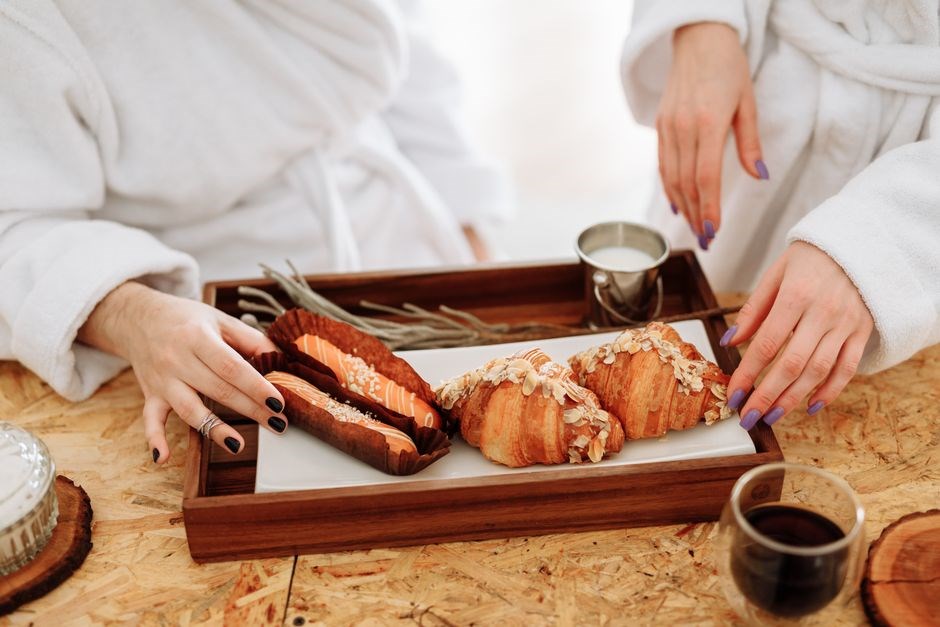
Ingredients and Their Role
Flaky croissant dough layers, butter for richness, almond paste for sweet, nutty filling, glaze for shine, and a touch of sugar to caramelize. Each ingredient delivers texture, flavor, and aroma. Enjoy!
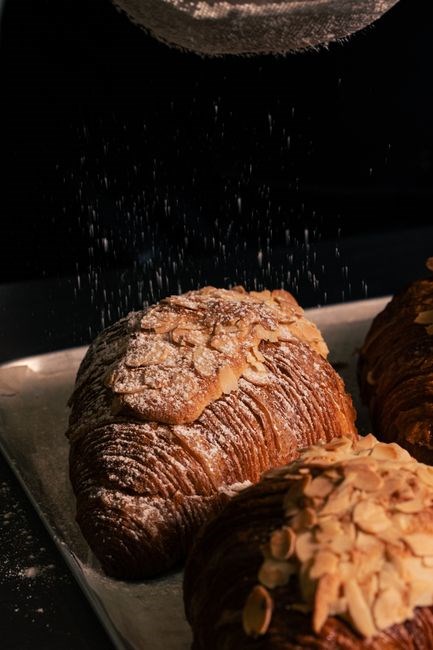
2.1 Croissant Dough Basics
Trader Joe’s croissant dough is a laminated pastry that combines flour, water, sugar, salt, yeast, and butter. The dough is rolled and folded multiple times to create thin, buttery layers that puff up during baking. The process begins with a simple dough that is chilled, then a butter block is encased and rolled out, forming a dough‑butter laminate. Each fold adds a new layer, and the dough is rested between folds to relax gluten; The result is a flaky, airy interior with a crisp, golden exterior. The dough’s hydration level is carefully balanced to keep it pliable yet firm enough to hold the almond filling. When baked, steam from the butter melts, separating the layers and creating the signature flakiness that makes these croissants irresistible. This meticulous technique ensures a bakery‑quality texture at home. The blend of butter, flour, and almond paste delivers a sweet, nutty center that pairs perfectly with the flaky layers, keeping the croissant airy yet rich, satisfying both quick snackers and pastry aficionados for a perfect finish.!!
2.2 Almond Filling Components
Trader Joe’s almond filling is a silky blend of ground almonds, sugar, butter, and a touch of vanilla, all folded into a smooth paste that coats the croissant’s interior; The almonds are finely ground to a powdery consistency, ensuring a uniform spread that melts into the flaky layers during baking. Sugar provides a subtle sweetness that balances the nutty flavor, while butter adds richness and helps the paste set into a glossy, cohesive texture. A hint of vanilla extract elevates the aroma, creating a fragrant, comforting scent that lingers as the croissant bakes. The mixture is chilled briefly to firm up, making it easier to pipe or spread evenly between dough layers. When assembled, the filling is spread thinly, allowing the dough’s lamination to lift and create pockets of almond flavor throughout. This careful preparation results in a moist, nutty center that contrasts delightfully with the crisp, buttery exterior, delivering a balanced bite that satisfies both sweet and savory cravings. A subtle almond aroma enhances the buttery flavor, creating a indulgent bite. !

Required Kitchen Equipment
A standard oven, a baking sheet, parchment paper, a pastry brush, a small mixing bowl, a whisk, a silicone spatula, a timer, and a cooling rack are essential. Use a silicone mat for extra non-stick support.!!
3.1 Oven vs Air Fryer Options
When choosing between a conventional oven and an air fryer for Trader Joe’s almond croissants, consider texture, time, and convenience. An oven baked at 375 °F (190 °C) for 20–25 minutes yields a classic, evenly browned crust and a tender interior; the heat circulates slowly, allowing the buttery layers to rise without over‑drying. Air fryers, on the other hand, use rapid hot‑air circulation, cutting the cooking time to 12–15 minutes at 350 °F (175 °C). The result is a slightly crispier exterior with a more pronounced “puff,” though the interior may feel marginally drier if the timer is exceeded. For those who value a traditional bakery feel, the oven is preferable; for speed and a slightly different crunch, the air fryer shines. Regardless of choice, pre‑heat, brush with simple syrup, and monitor closely to avoid over‑browning. Both methods produce a delightful almond‑filled pastry that satisfies cravings in minutes. Enjoy now. Savor the crunch. !
3.2 Baking Accessories
For a flawless almond croissant finish, gather a few key accessories. A silicone baking mat or parchment paper prevents sticking and promotes even browning. A small, heat‑proof brush is essential for the final syrup glaze; a metal or silicone brush works best. A digital thermometer ensures the internal temperature reaches 190°F (88°C), guaranteeing a moist crumb. A cooling rack allows air circulation, preventing sogginess. If using an air fryer, a parchment‑lined basket or a silicone liner keeps the pastry from sticking to the metal. A timer or kitchen clock helps track the short air‑fry cycle. A small mixing bowl and whisk are handy for whisking the simple syrup, while a small spoon or pastry bag can help distribute the almond filling evenly. Finally, a sharp knife or pizza cutter slices the croissants cleanly, preserving the buttery layers. With these accessories, you’ll replicate the bakery quality at home. A silicone spatula presses the pastry into the pan, preventing air pockets. A dusting of flour on the surface keeps the crust crisp today now.
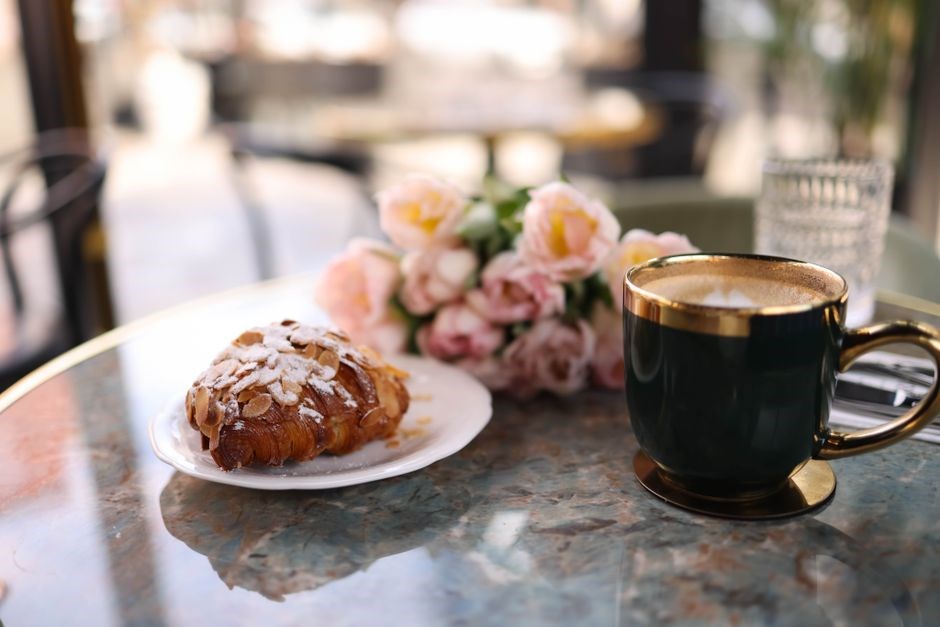
Preparation Steps
Defrost croissants at room temperature, then whisk simple syrup: 1 cup sugar, 1 cup water, simmer 5 mins. Brush inside/outside before baking. Keep at 375°F for 20‑25 min. Enjoy!!
4.1 Defrosting the Croissants
Trader Joe’s almond croissants come frozen, so the first step is a gentle thaw that keeps the buttery layers intact. Remove the croissants from the freezer and place them on a clean, dry kitchen towel or parchment‑lined tray. Let them sit at room temperature for 30 to 45 minutes; this allows the dough to relax without condensation forming on the surface. Once thawed, gently press each croissant with the palm of your hand to ensure the layers remain distinct and the dough feels pliable. At this point, you can proceed to the next step: preparing the simple syrup that will add moisture and a subtle caramel note to the pastry. Remember to keep the croissants covered with a clean cloth while you prepare the syrup, as the dough can dry out quickly if exposed to air. This careful defrosting process sets the foundation for a perfectly crisp exterior and a tender, almond‑filled interior that mirrors the original bakery quality today. Enjoy the aroma as the croissants warm. Keep them warm. and enjoy.!
4.2 Preparing the Simple Syrup
To create the silky glaze that gives Trader Joe’s almond croissants their signature shine, you’ll need a simple syrup. Combine 1 cup of granulated sugar with 1 cup of cold water in a small saucepan. Add a splash of lemon juice (about 1 tablespoon) to cut sweetness and brighten the flavor. Heat the mixture over medium heat, stirring until the sugar dissolves. Let it simmer for 2–3 minutes, then remove from heat and cool to room temperature. If you prefer a thicker glaze, double the sugar to 2 cups while keeping water the same. Use a pastry brush to coat the cut‑open sides of each croissant, ensuring even coverage. Brush the outside for a golden finish. Let the syrup sit for a minute before baking. Store leftover syrup in a sealed container in the fridge for up to a week. This simple syrup adds moisture and enhances the almond filling’s nutty aroma, creating a bakery‑style experience at home. Serve immediately for best texture. Enjoy!

Assembly Techniques
Slice each croissant horizontally, almost through, leaving a hinge. Brush both sides with cooled simple syrup, then fold to seal; The glaze locks in moisture and flavor.
5.1 Cutting the Croissants
Carefully slice each croissant horizontally through the middle, almost all the way through, like a hot‑dog bun, leaving one side attached. Use a sharp knife or a serrated bread knife to avoid tearing the delicate layers. Hold the croissant steady on a cutting board, then make a gentle, even cut that preserves the buttery, flaky structure. The cut should be just shy of the center, creating a hinge that keeps the pastry intact while allowing easy access to the almond filling. Keep the knife angle slightly downward to prevent the dough from sliding. After cutting, gently press the two halves together to form a pocket, ensuring the almond filling stays inside. This technique guarantees a uniform, crisp exterior and a moist interior when baked. Tip: If frozen, thaw 10 minutes before cutting to avoid cracking. Use a sharp knife to make precise cuts and keep the blade steady. After cutting, lightly press the edges to seal the almond filling inside. This ensures pastry stays intact baking. Slice at a slight angle to keep clean cuts and avoid tearing layers. If the croissant is slightly frozen, let it sit at room for a few minutes before cutting to avoid cracking. Press the edges to seal the almond filling, keeping the pastry shape. This technique ensures a exterior.
5.2 Brushing with Syrup
Using a pastry brush, coat the freshly cut croissant halves—both the interior pocket and the outer surface—with a cooled simple syrup. The syrup, made from equal parts sugar and water, should be heated until the sugar dissolves, then allowed to cool to room temperature; this prevents the dough from becoming soggy while still imparting a glaze. Dip the brush lightly into the syrup, then sweep in a single, even stroke across the pastry’s exposed layers, ensuring the liquid reaches the seams where the dough folds. This technique locks in moisture, gives the croissant a subtle shine, creates a caramelized crust once baked. After brushing, let the croissants sit for a minute to allow the syrup to absorb; this brief resting period helps the glaze set and prevents it from dripping during the baking process. Finally, arrange the glazed croissants on a parchment‑lined tray, ready for the oven or air fryer. The syrup not only adds flavor but also contributes to the golden‑brown finish that makes Trader Joe’s almond croissants irresistibly appetizing.

Baking Instructions
Preheat oven to 375F. Place glazed croissants on parchment‑lined tray. Bake 20–25 minutes until golden brown. For tops, so broil 1–2 minutes. Let rest 10 minutes before serving !!
6.1 Oven Baking Parameters
Set your oven to 375°F (190°C) and preheat for at least 10 minutes to ensure even heat distribution. Arrange the Trader Joe’s almond croissants on a parchment‑lined baking sheet, spacing them about 1 inch apart to allow steam to escape and achieve a crisp exterior. Brush the tops lightly with a thin layer of melted butter or a simple syrup glaze to enhance browning and add shine. Place the tray in the middle rack to promote uniform baking. Bake for 20–25 minutes, checking for a deep golden‑brown color and a firm, puffed appearance. If the tops are not yet golden, increase the temperature by 25°F (≈14°C) for the last 2–3 minutes, or switch to a broiler for a brief, 1‑minute burst to finish. Remove the croissants and let them rest on a wire rack for 10 minutes to set the crumb and allow steam to dissipate, preventing sogginess. Serve warm for the best flavor and texture. For an extra touch, dust the finished croissants with powdered sugar or drizzle almond butter for glossy finish honey! a
6.2 Air Fryer Baking Parameters
Preheat your air fryer to 350°F (177°C) for 3 minutes to establish a steady heat source. Place the Trader Joe’s almond croissants in a single layer on the basket, ensuring they do not touch to allow air circulation. Lightly brush each croissant with a thin coat of melted butter or a simple syrup glaze to promote crispness and golden browning. Cook for 8–10 minutes, checking at the 6‑minute mark; the pastry should puff up and develop a crisp, golden crust. If the tops are not yet sufficiently browned, increase the temperature by 25°F (≈14°C) for the final 2 minutes. After cooking, transfer the croissants to a wire rack to cool for 5 minutes, allowing steam to escape and preventing sogginess. Serve immediately for optimal texture and flavor, or store in an airtight container at room temperature for up to 2 days. For an extra touch, dust with powdered sugar or drizzle almond butter before serving.
Tip: For an extra crunch, lightly dust the finished croissants with finely ground toasted almond slivers before serving. Alternatively, drizzle thin layer of honey over top for a sweet glaze that complements a nutty flavor!

Finishing Touches
Let the croissants rest 5 minutes, then drizzle honey or almond butter. Dust with powdered sugar, add a sprinkle of toasted almond slivers, and serve warm for maximum flavor. Enjoy with a cup of coffee today!
7.1 Cooling and Resting
After baking, transfer the almond croissants to a wire rack to cool for 5–10 minutes. This allows steam to escape, preventing sogginess and preserving the flaky layers. While resting, let the almond filling set slightly, ensuring a cohesive bite. If you prefer a sweeter finish, drizzle a light honey glaze over the warm croissants; the residual heat will melt the glaze, creating a glossy coating. For a nutty crunch, sprinkle toasted almond slivers on top—this adds texture and enhances the almond flavor. Finally, serve the croissants warm, as they are at their most fragrant and tender. If you need to hold them for a short period, cover loosely with foil to retain warmth without trapping moisture. Enjoy the buttery, almond‑laden pastry with a cup of coffee or tea for a comforting breakfast or snack.
Keep the croissants on a cooling rack to maintain crispness; avoid stacking them, which can trap steam and soften the pastry. If you like crunch, lightly toast the tops in a skillet for serving today!
7.2 Optional Toppings
Enhance your Trader Joe’s almond croissants with a variety of toppings that complement the buttery pastry and nutty filling. A dusting of powdered sugar adds a subtle sweetness and a refined finish, while a drizzle of warm chocolate sauce creates a decadent contrast. For a richer almond experience, spread a thin layer of almond butter on the warm croissant; the heat melts the butter, producing a silky, nutty coating. Fresh berries—such as sliced strawberries, blueberries, or raspberries—provide bright acidity and a burst of color, balancing the pastry’s richness. A light swirl of honey or maple syrup offers natural sweetness and a glossy sheen. If you prefer a creamy touch, top with a dollop of whipped cream or a spoonful of mascarpone, then finish with a sprinkle of toasted almond slivers for added crunch. Each topping can be applied immediately after cooling or just before serving, allowing you to customize the croissant to your taste and the occasion. Enjoy fresh for best flavor now!

Serving and Storage Tips
Serve warm, straight from the oven, for maximum flakiness. If reheating, use a 350°F oven for 5 minutes. Store leftovers in an airtight container at room temp for up to 2 days; reheat for crispnessEnjoy.
8.1 Immediate Serving Recommendations
Serve the freshly baked Trader Joe’s almond croissants immediately to enjoy their peak flakiness and warm, buttery aroma. As soon as they exit the oven, allow a brief 30‑second pause so the steam can settle, preventing sogginess at the base. Slice each croissant in half lengthwise with a sharp knife, revealing the glossy almond filling. For an extra touch, drizzle a light dusting of powdered sugar or a thin spread of almond butter on the cut side. Pair the pastries with a steaming cup of coffee, tea, or a chilled glass of milk to balance the sweetness. If you prefer a sweet beverage, a small glass of cold milk or a latte complements the nutty flavor. For a savory twist, serve alongside a light salad or a small portion of smoked salmon. The croissants are best enjoyed within five minutes of baking; their layers are at their crispiest and the almond filling at its most fragrant. If you must hold them for a few minutes, place them on a wire rack to keep the bottom from becoming soggy. Do not cover them with foil or plastic,
8.2 Storing Leftovers
Store leftovers in an airtight container at room temperature for up to 48 hours; the croissant stays crisp if you add a paper towel to absorb moisture. For longer storage, wrap each pastry in parchment paper and place in a freezer bag; freeze for up to 3 months. When ready, thaw at room temperature for 30 minutes, then warm in a 350 °F oven for 5–7 minutes or in an air fryer at 320 °F for 3–4 minutes until the crust is golden and the almond filling fragrant. Avoid microwaving, which softens the flaky layers and makes the filling soggy. For a quick snack, reheat a single croissant in a toaster oven set to 300 °F for 2–3 minutes; this preserves the crunch. Always check that the almond filling is warm before serving, as cold filling can feel unappetizing. If you prefer a decadent touch, drizzle a light almond glaze or dust with powdered sugar after reheating. Label the container with the date to track freshness and enjoy the buttery, nutty flavors just as they were freshly baked. Enjoy! Share us.